The Evolution of Digital Storage
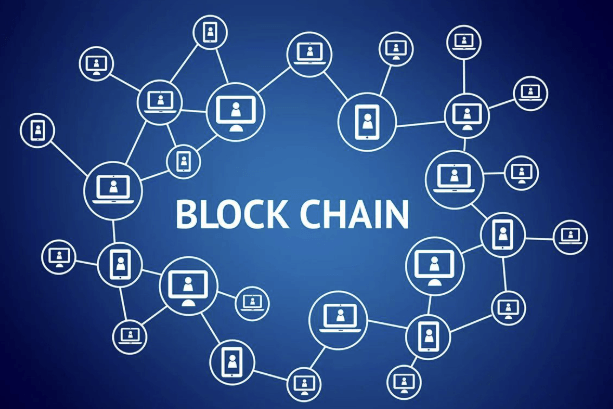
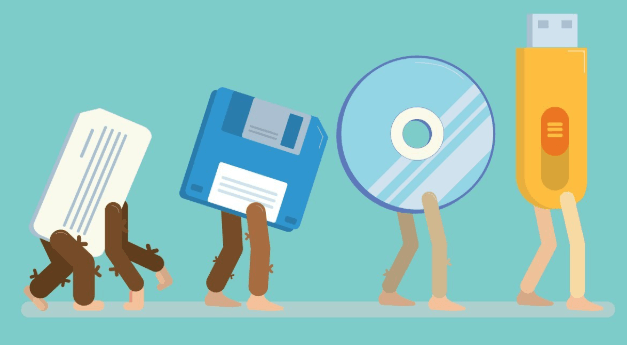
Digital storage has evolved from tangible media to expansive cloud ecosystems. early tactile archives gave way to scalable, distributed architectures that enable global collaboration and resilience. as architectures shift toward cloud-centric models, governance and interoperability rise in importance. today, storage underpins cloud networks, archives, and autonomous systems, balancing speed, density, and durability while pursuing energy efficiency. the trajectory hints at modular, resilient infrastructures—yet questions remain about access, integrity, and the next leap forward.
Evolution of Digital Storage: From Cells and Tapes to Cloud Ecosystems
Digital storage has evolved from mechanical and magnetic media to expansive, interconnected ecosystems that underpin modern computation.
The trajectory traces tactile origins to networked archives, enabling distributed access and resilience.
As architectures shift toward scalable cloud paradigms, practitioners encounter disk nostalgia and quantum myths, shaping expectations yet underscoring pragmatic constraints, interoperability, and governance in a freedom-oriented, forward-looking landscape.
Data Storage Technologies: Speed, Density, and Durability
Data storage technologies are evaluated through three core dimensions: speed, density, and durability. This framework guides assessment of rapid access versus long-term retention, with innovations pushing higher densities and lower latency. Dense archiving enables compact repositories, while enhanced flash endurance extends usable life in active systems. The trajectory emphasizes scalable, resilient architectures that balance performance, cost, and enduring data integrity for freedom-minded users.
Challenges Shaping the Future: Energy, Resilience, and Data Integrity
Energy and resilience now shape the trajectory of storage innovation, as systems confront rising power demands, environmental constraints, and the need for uninterrupted access.
The intersection of energy efficiency and resilient architectures drives design choices, from modular cooling to adaptive error correction.
Strategic resilience planning reduces risk, sustains performance, and preserves data integrity amid evolving workloads, outages, and harsh operating conditions.
Next Trends in Digital Storage: Driving the Next Leap in the Digital Era
Against a backdrop of accelerating workloads and pervasive connectivity, next trends in digital storage are poised to redefine capacity, speed, and resilience.
The field investigates quantum storage and bio inspired memory as core capabilities, aiming for disruptive density and endurance.
Frameworks emphasize modular architectures, energy efficiency, and near-instant access, enabling autonomous systems, resilient networks, and freedom to innovate without storage limits.
See also: onetopicnews
Frequently Asked Questions
How Will Quantum Storage Impact Everyday Data Access?
Quantum storage could transform everyday data access by enabling near-instant availability and enhanced privacy, though challenges remain. It may affect data residency frameworks, with jurisdictions defining limits and guarantees as quantum access becomes widespread and interoperable.
Can AI Enhance Data Recovery After Catastrophic Failures?
AI-assisted recovery can enhance data restoration after catastrophes, with fault-tolerant backups augmented by SSL/DR strategies, enabling resilient access; optimism persists about autonomous diagnostics, proactive failovers, and scalable recovery workflows that empower users seeking data freedom.
Is Personal Data Sovereignty Changing Storage Strategies Globally?
Data sovereignty is prompting shifts in storage strategies globally, as jurisdictions demand locality, compliance, and transparency; organizations increasingly adopt multi-region architectures, localizing critical data while leveraging cloud and edge capabilities to balance governance with innovation.
What Role Will Edge Storage Play in Latency-Critical Apps?
Edge storage will significantly reduce latency in latency-critical apps through data locality and real-time resource orchestration, enabling near-instant responses. This approach emphasizes latency optimization, decentralized processing, and freedom to deploy wherever performance demands arise.
Will Biodegradable Storage Become Commercially Viable Soon?
Biodegradable storage is unlikely to become commercially viable soon. Yet, edge storage and quantum storage shape data lifecycles, enabling ai enhanced recovery, everyday data access, and resilience against catastrophic failures while preserving personal sovereignty and evolving storage strategies.
Conclusion
The arc of digital storage traces a path from tangible media to expansive cloud ecosystems, underscoring a relentless drive for speed, density, and resilience. As governance and interoperability mature, storage becomes more modular and energy-aware, enabling near-instant access across networks. The trajectory resembles a living archive expanding in real time, like a supertank of information feeding an interconnected hive. The next leap will hinge on efficiency, integrity, and adaptive architectures that sustain trust in an increasingly data-driven world.