Interesting Facts About Blockchain
Blockchain presents a data-driven view of trust, where blocks bind transactions through cryptographic hashes and distributed consensus. The method reduces reliance on centralized authorities, yet introduces energy and governance considerations. Real-world uses extend from supply chains to cross-border settlement, each exposing tradeoffs between transparency and privacy. As adoption grows, performance, regulation, and incentive alignment will shape what comes next, leaving open questions about scalability, governance, and the true cost of trust.
What Blockchain Is and Why It Matters
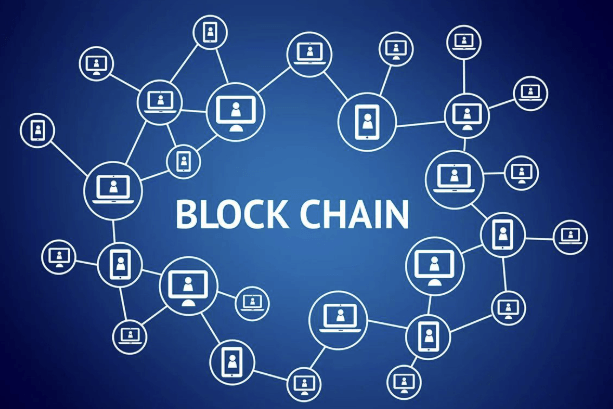
Blockchain is a distributed ledger technology that records transactions across a network of computers, ensuring transparency, immutability, and decentralization. The technology enables programmable trust without centralized authority, shaping governance, finance, and data stewardship.
Analysts compare privacy guarantees across architectures, noting trade-offs between openness and control. Speculatively, scalability and energy consumption remain pivotal, influencing adoption, regulation, and the pursuit of freedom through efficient, verifiable systems.
How Transactions Become Trustworthy: Blocks, Hashes, and Consensus
Transactions become trustworthy through a layered mechanism: blocks bundle validated transactions, hashes ensure data integrity, and consensus protocols determine agreement across a distributed network.
In this framework, block validation screens entries, hash cryptography binds history, and distributed consensus aligns participants.
The approach emphasizes verifiability, resilience, and openness, inviting disciplined experimentation while preserving freedom to explore scalable, transparent systems beyond centralized control.
Surprising Real-World Uses Beyond Cryptocurrency
Across industries, practical deployments of distributed ledgers extend far beyond digital currencies, revealing tangible efficiencies in supply chains, provenance, and contract governance. Data-driven analyses suggest cryptographic governance enhances auditability while reducing intermediaries. In cross border logistics, immutable records improve transparency, tracking, and dispute resolution. The speculative lens notes scalable interoperability, though security, governance, and standardization remain critical constraints to widespread adoption.
Tradeoffs, Trends, and What to Watch Next
Tradeoffs, trends, and what to watch next hinge on balancing scalability, governance, and interoperability as the technology matures. Data suggests increasing throughput while preserving decentralization, yet governance complexity rises with cross-chain interoperability. Analysts forecast GPU- and ASIC-intensive energy usage patterns, pressuring efficiency gains. Privacy implications emerge as privacy-focused designs evolve, demanding transparent metrics. Freedom seekers should monitor regulatory signals and environmental costs shaping long-term feasibility.
See also: The Evolution of Email Technology
Frequently Asked Questions
How Do Regulators Approach Blockchain Technology Across Industries?
Regulators pursue Regulatory frameworks balancing innovation with risk, emphasizing cross border compliance and data privacy, while evaluating transparency tradeoffs, environmental impact, and energy consumption. They assess funding models, long term sustainability, database paradigm shifts, and integration strategies for industry-wide deployment.
Can Blockchain Ensure Data Privacy Without Sacrificing Transparency?
Blockchain can support privacy models without entirely sacrificing transparency, yet unavoidable transparency tradeoffs emerge; data-driven analyses suggest selective disclosure and zero-knowledge techniques may balance privacy and accountability, though speculative gains depend on governance, incentive alignment, and robust auditing.
What Are the Environmental Impacts of Blockchain Networks?
The environmental impact hinges on energy consumption versus network security; juxtaposed efficiency gains with PoS adoption, it shows blockchain’s footprint varies. Analysts project reductions through scalable consensus, yet perpetual mining demands sustain substantial energy consumption across ecosystems.
How Is New Blockchain Technology Actually Funded and Sustained?
New blockchain technology is funded through diverse funding models, including venture capital, token sales, and grants, while sustained by sustainability strategies emphasizing revenue generation, cost efficiency, and long-term governance; analysts speculate about market-driven, decentralized, and policy-influenced funding trajectories for freedom-seeking audiences.
Will Blockchain Replace Traditional Databases or Coexist With Them?
Like a hinge between worlds, blockchain will coexist with traditional databases. He notes blockchain adoption and database interoperability will shape integration paths, not outright replacement, as performance, governance, and interoperability trade-offs guide future data ecosystems.
Conclusion
In a landscape where permutations of trust collide with computational rigor, the data tells a consistent story: blockchains encode provenance, security, and programmability at scale. Yet the coincidence is striking—energy debates, governance puzzles, and privacy trade-offs arise just as efficient, transparent systems mature. The pattern suggests a future where incremental innovations, not singular breakthroughs, redefine what “trust” means in commerce, healthcare, and governance. Stakeholders should monitor adoption curves, regulatory signals, and cross-chain interoperability as the next convergences converge.